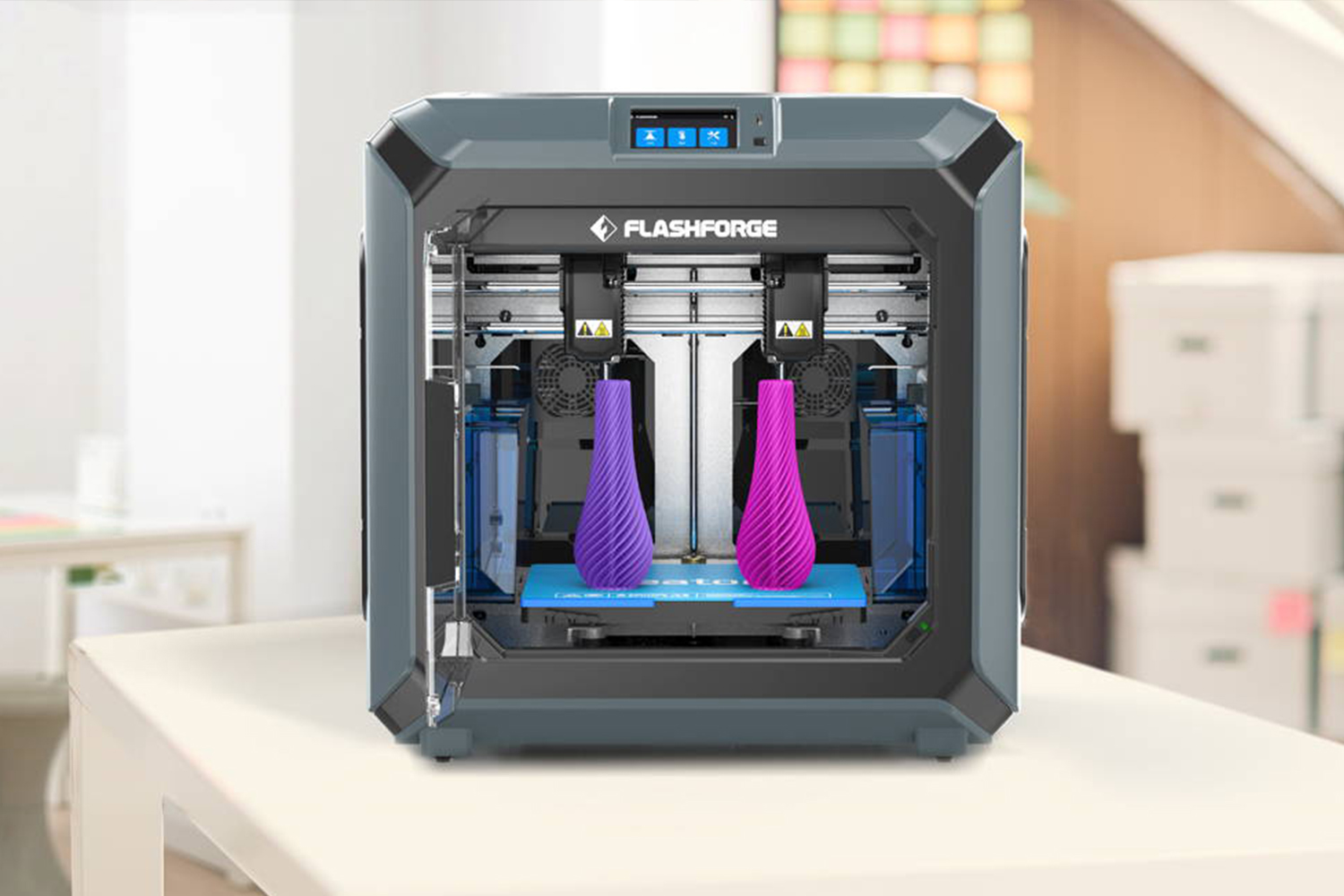
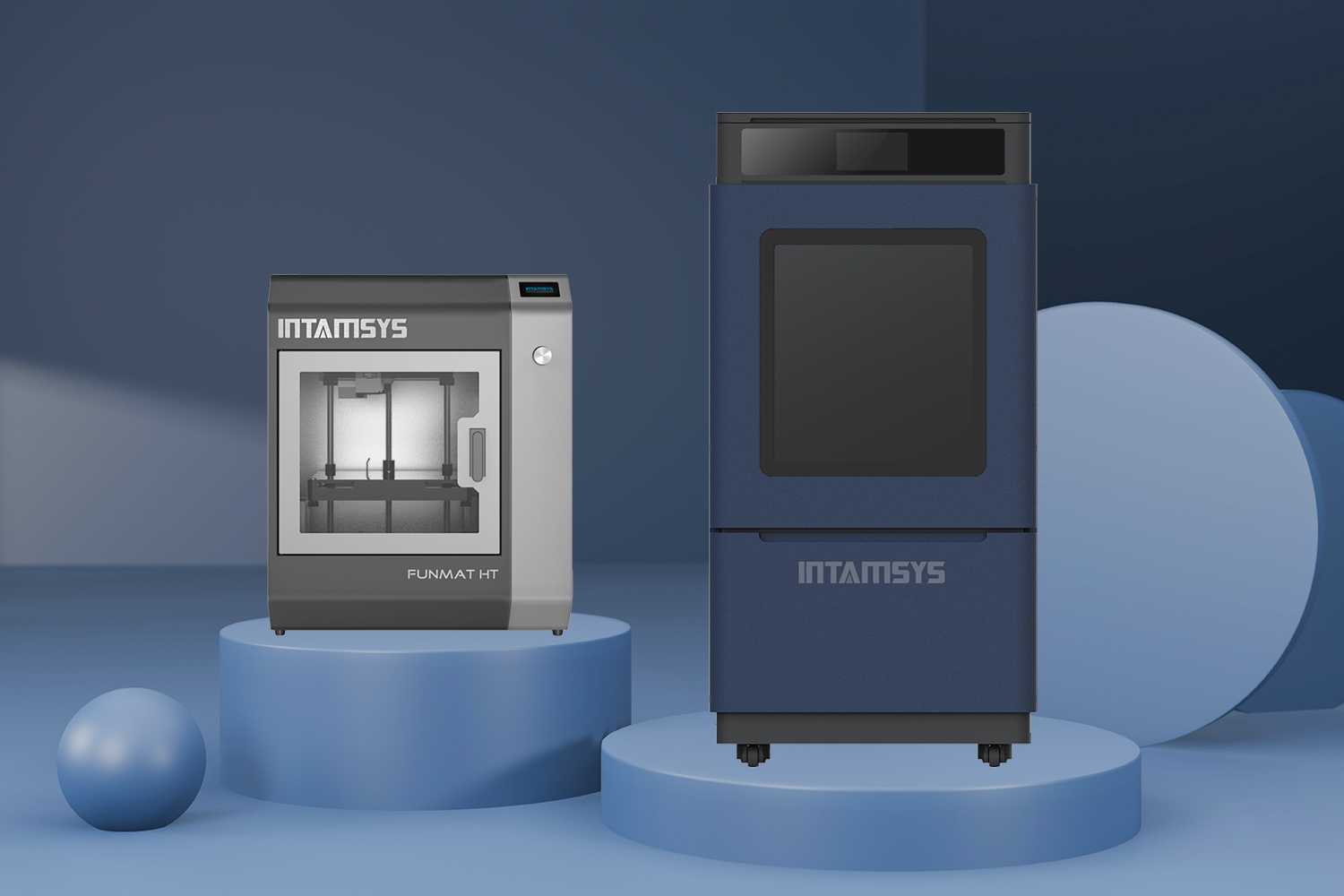
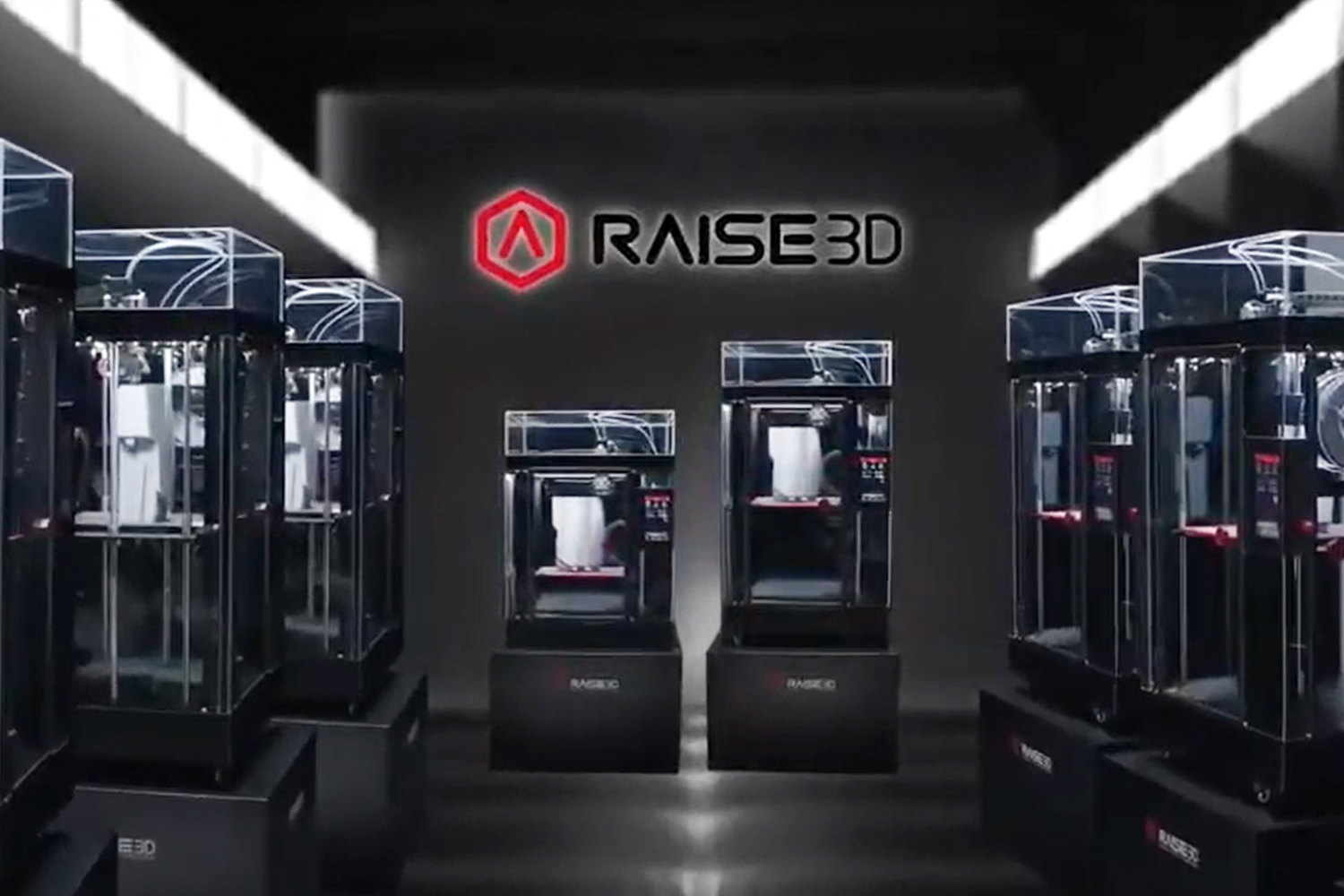
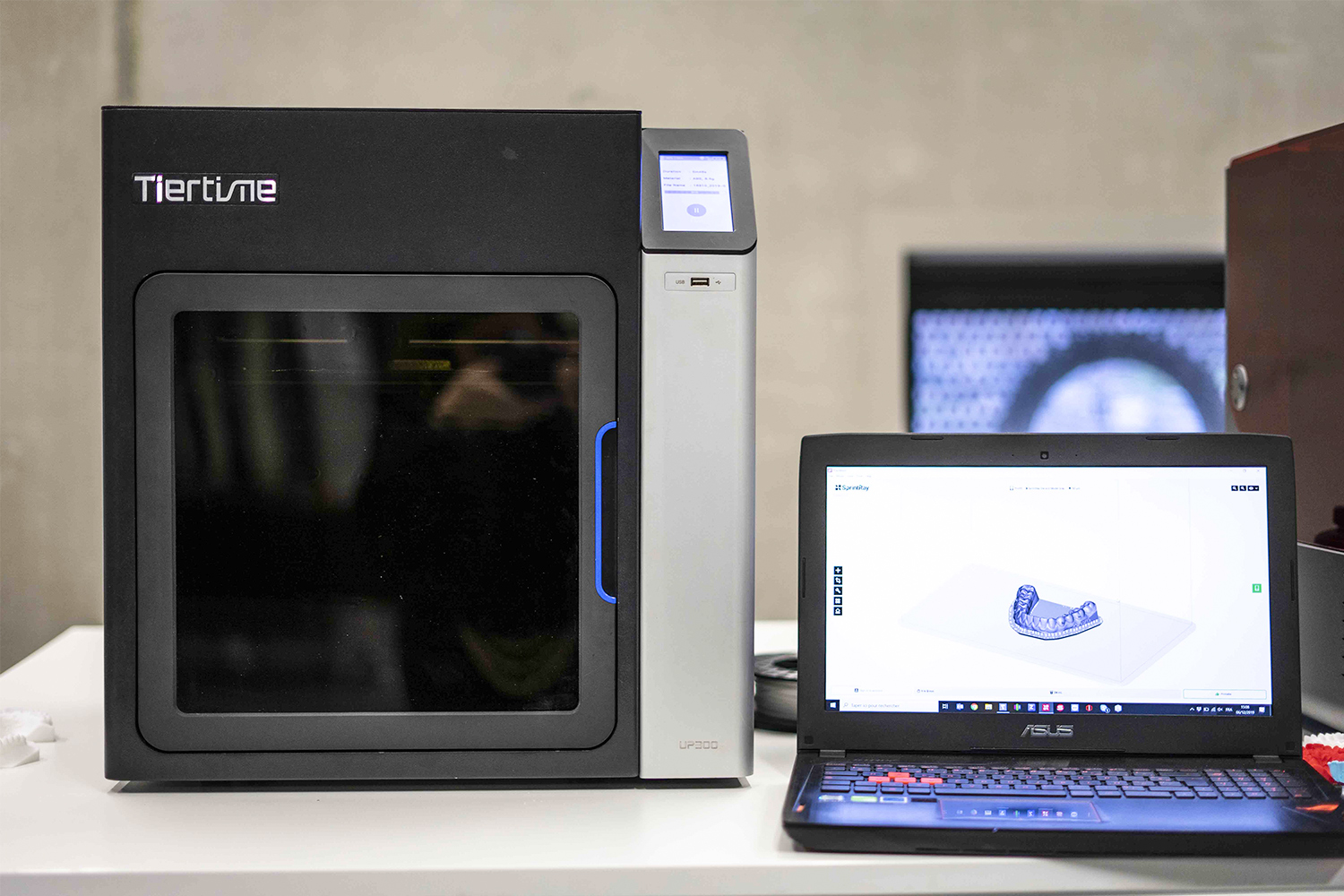
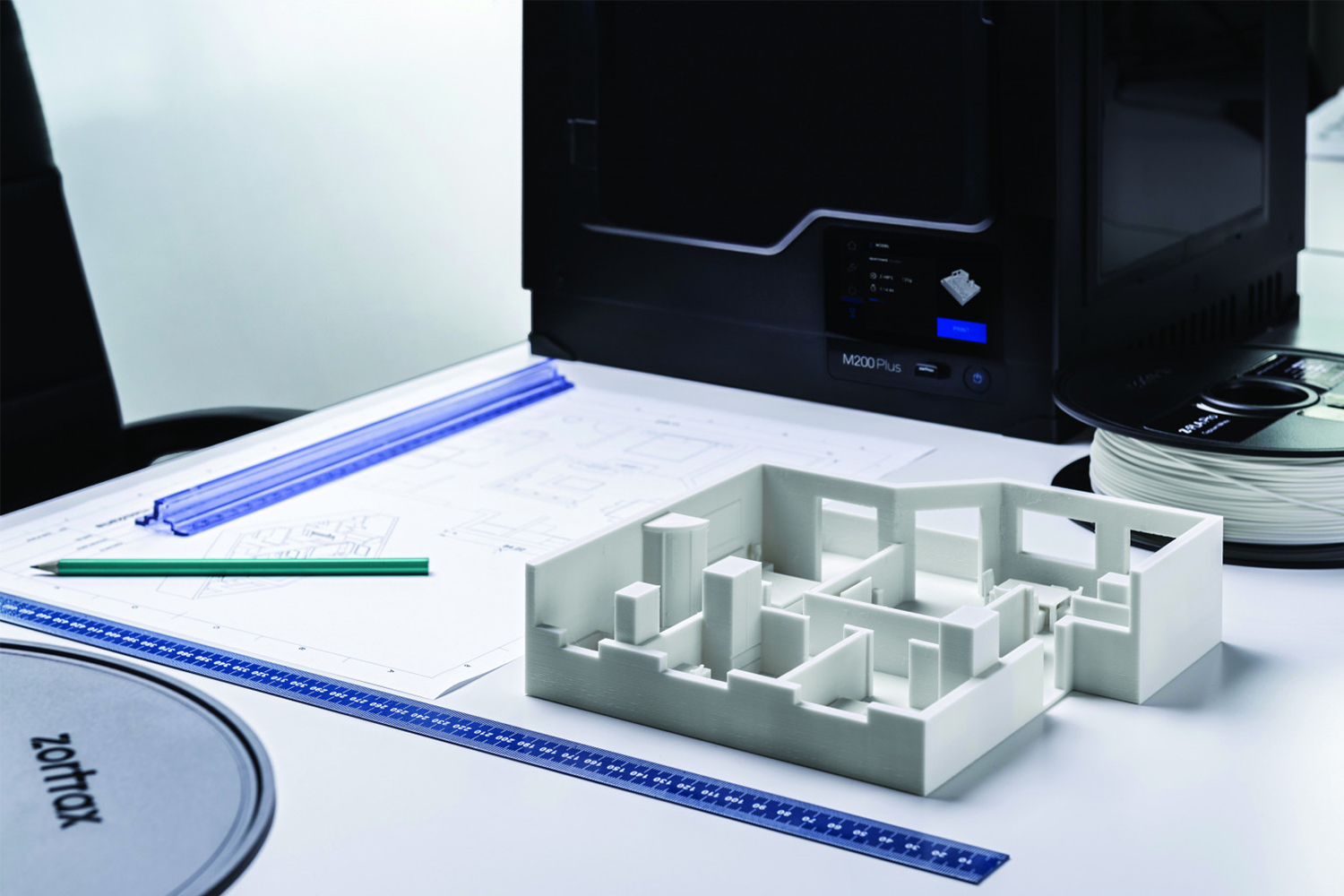
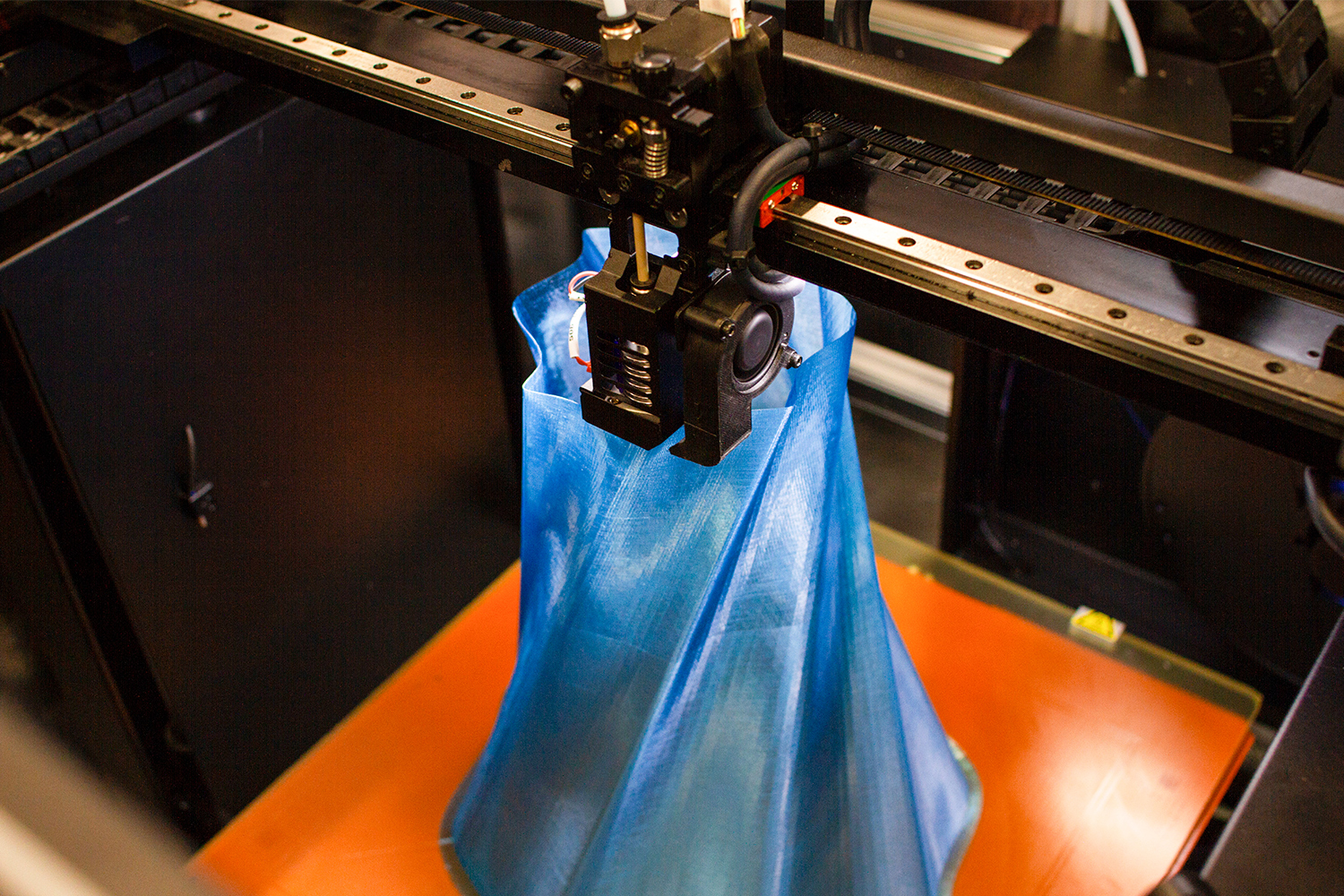
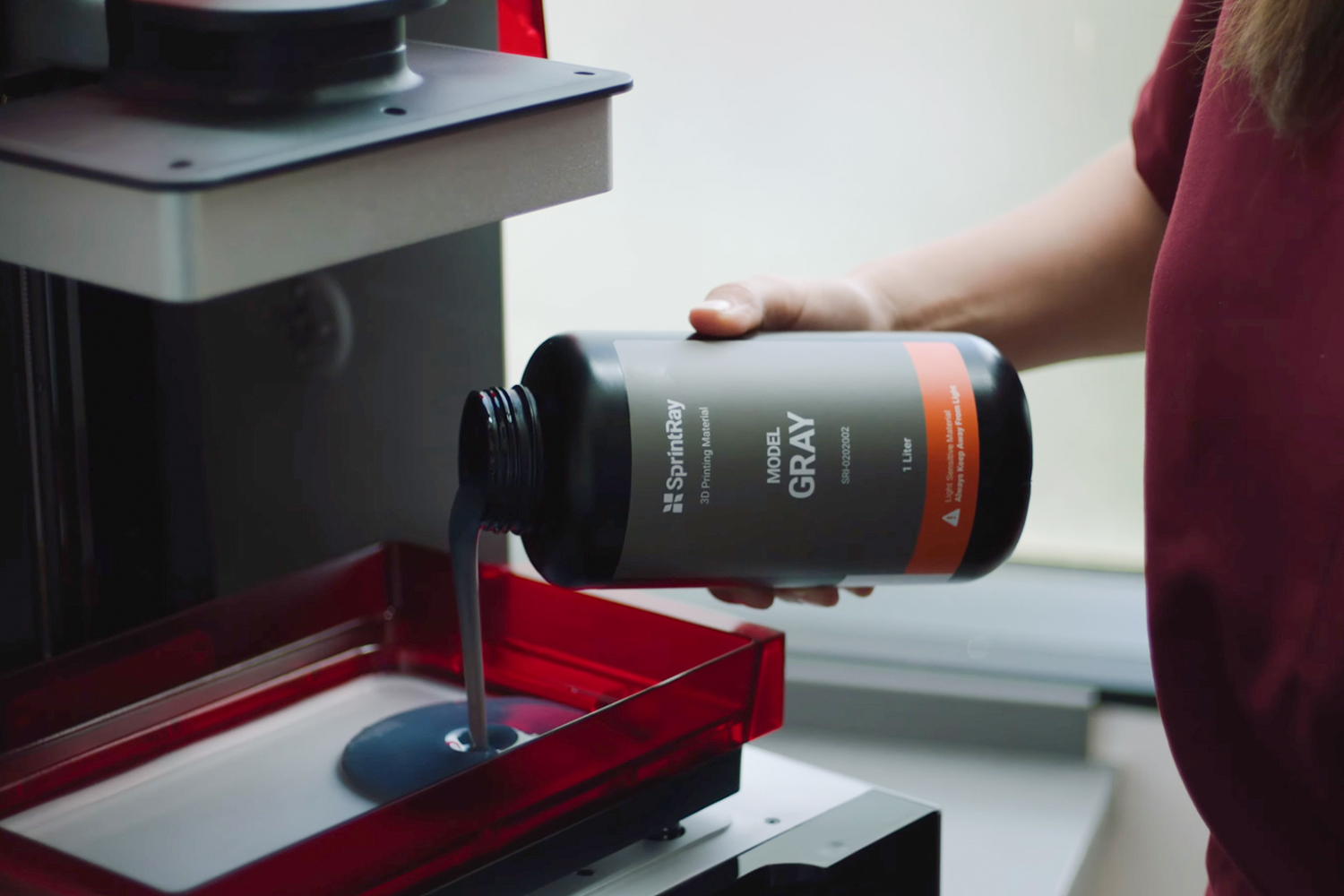
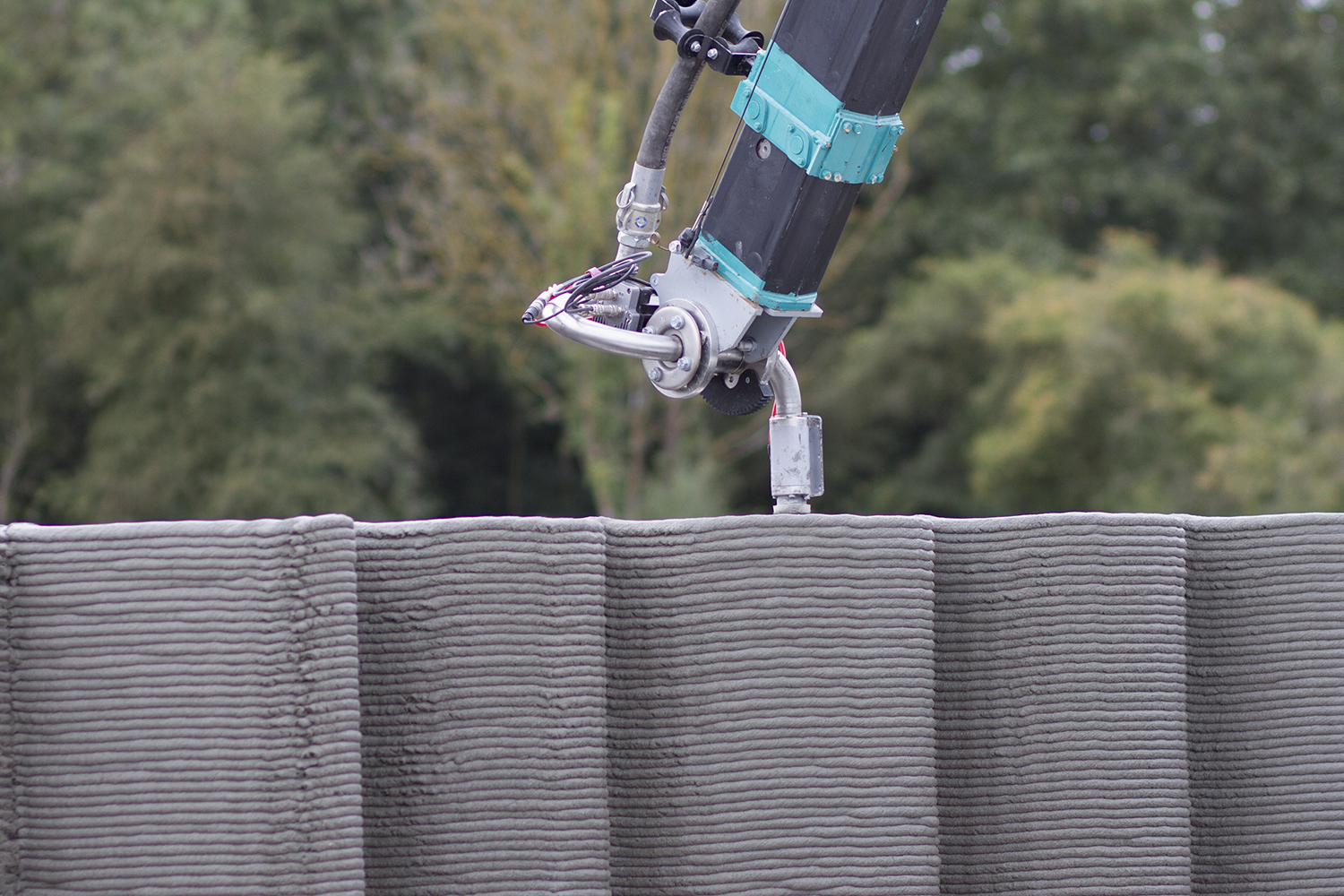
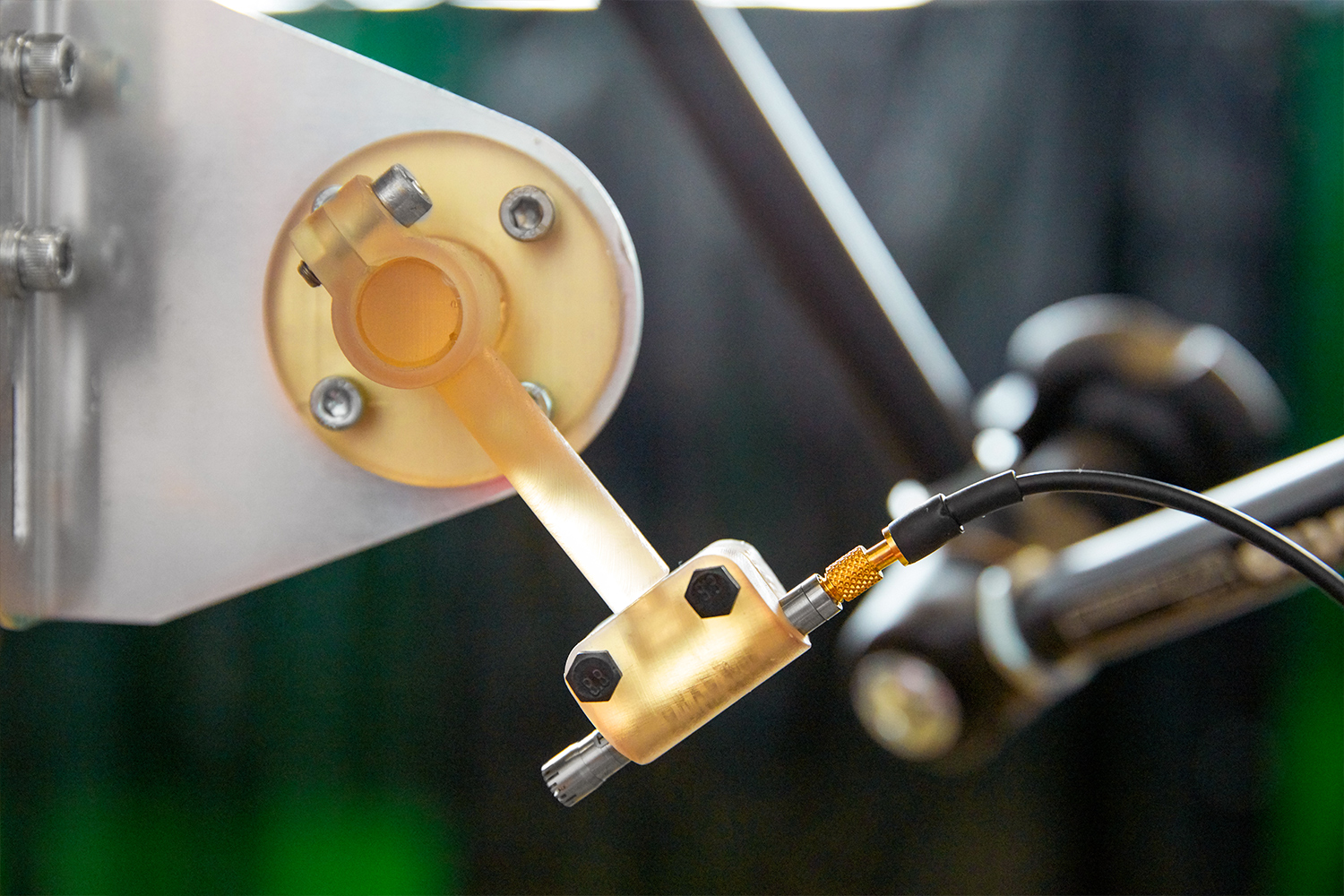
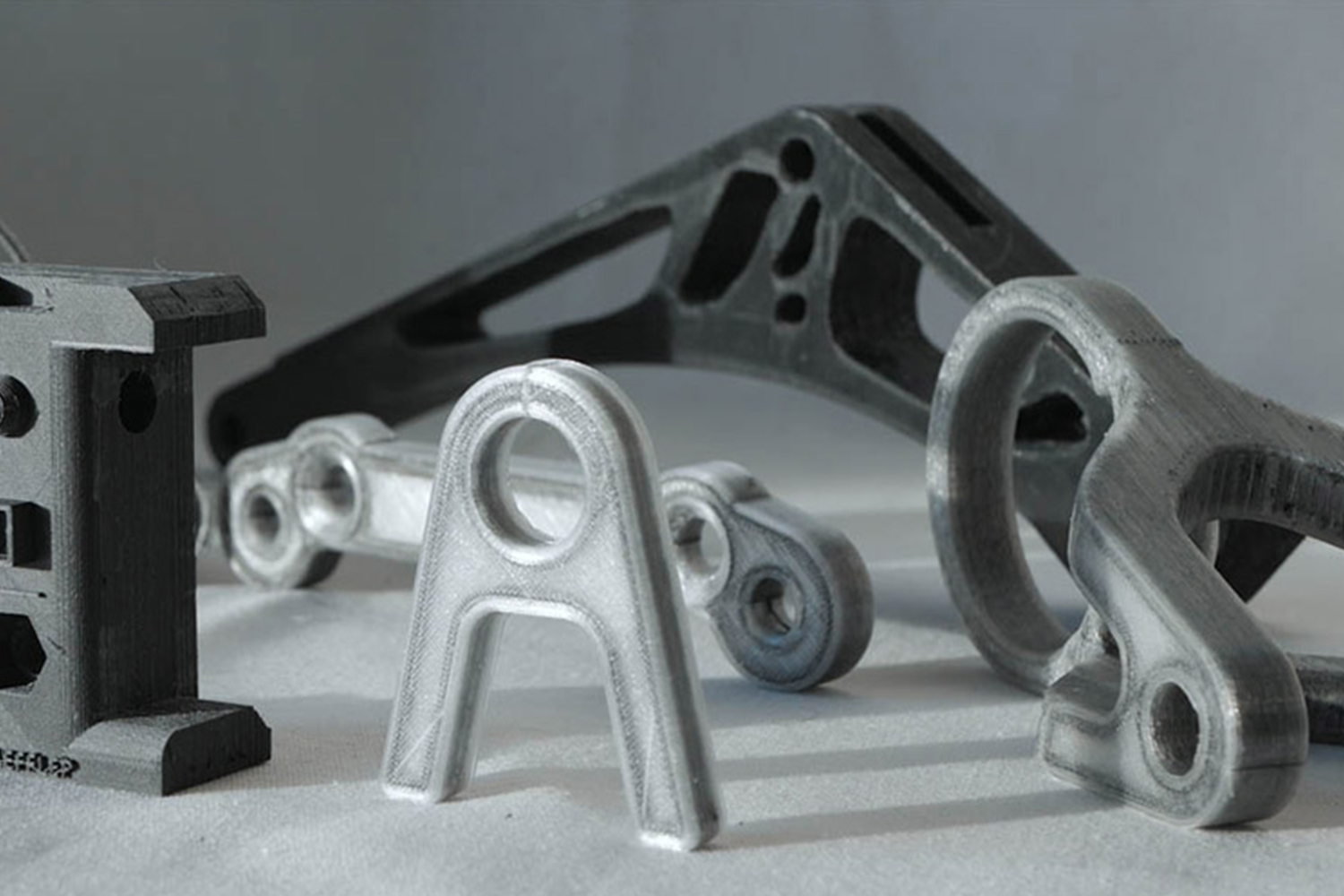
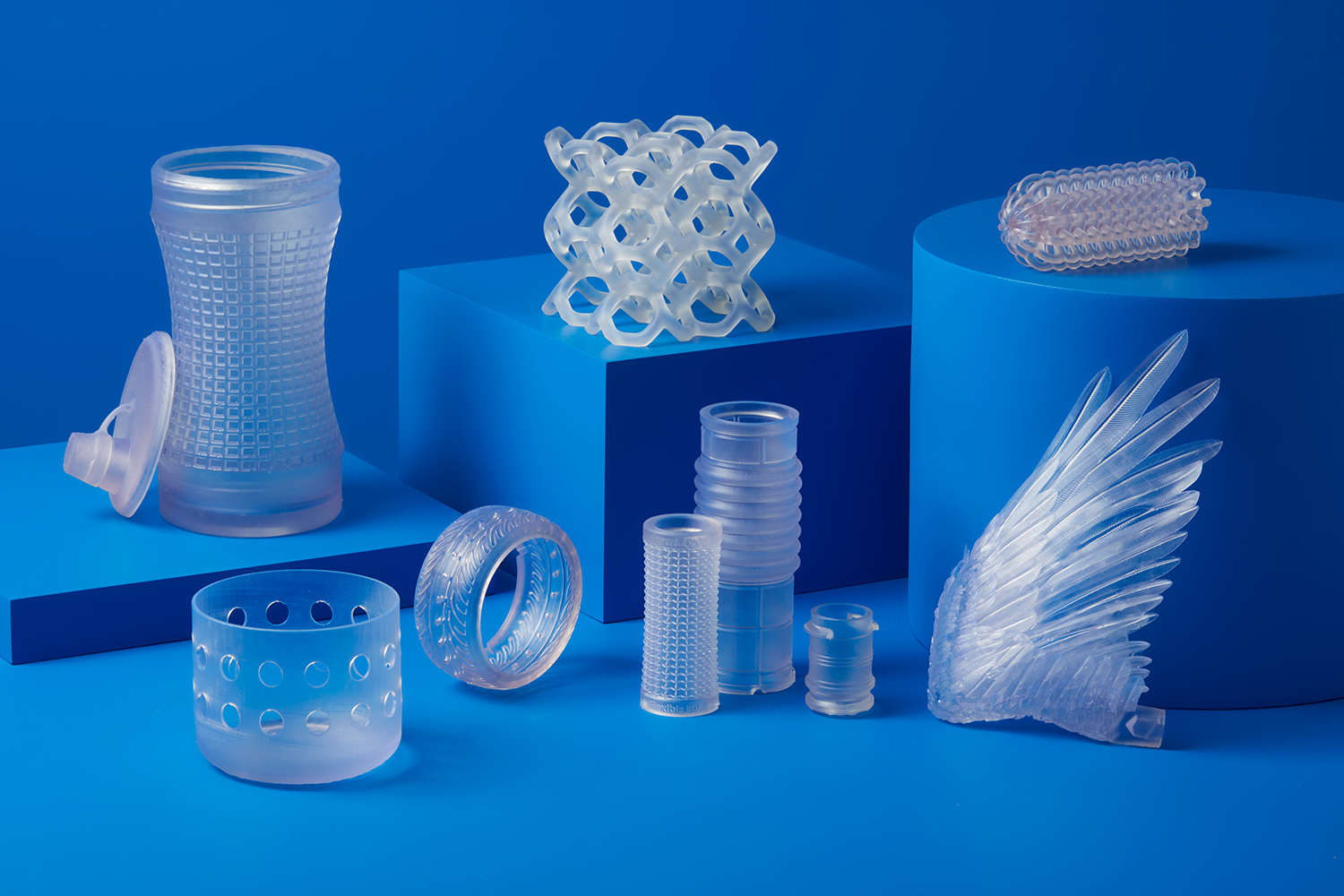
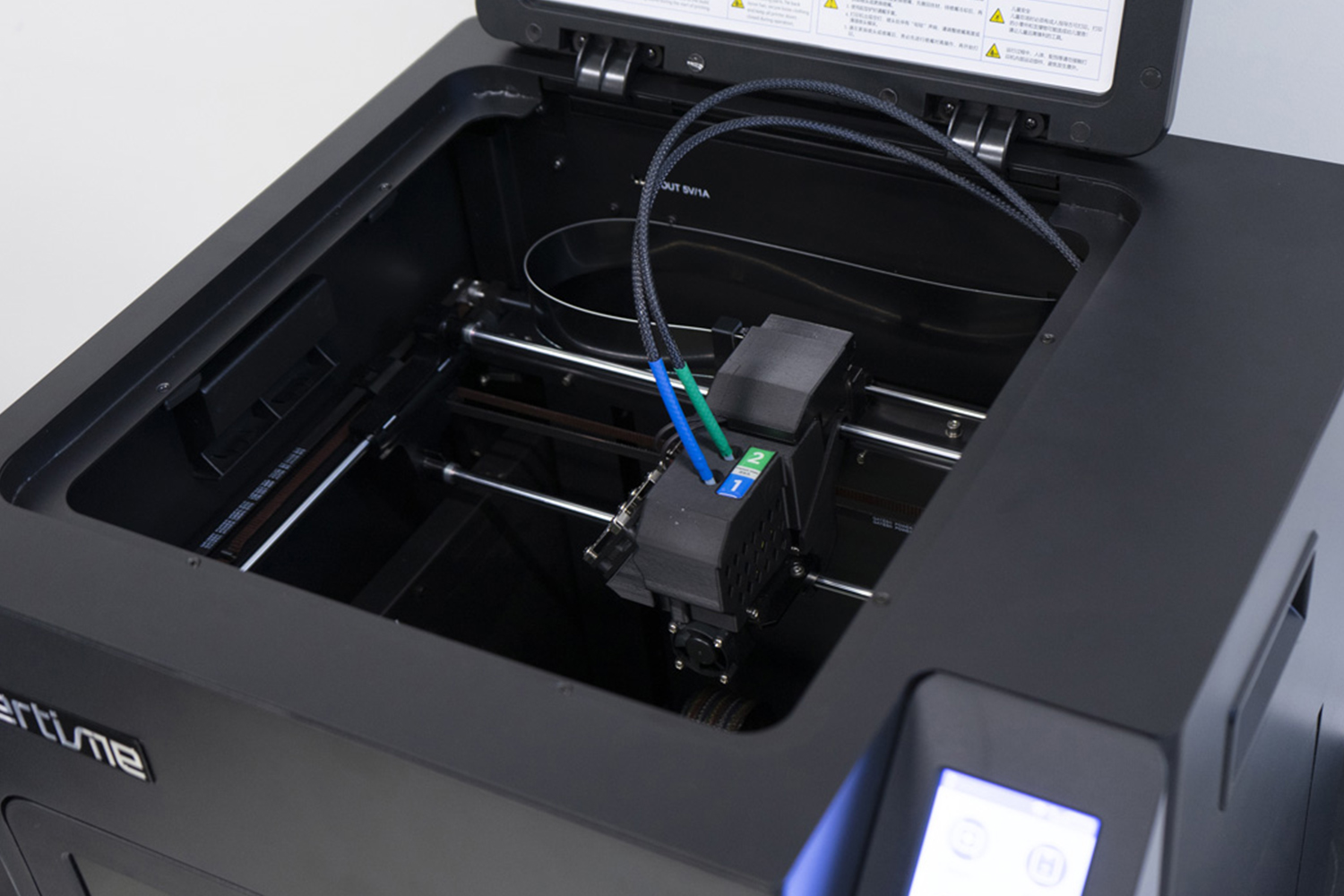
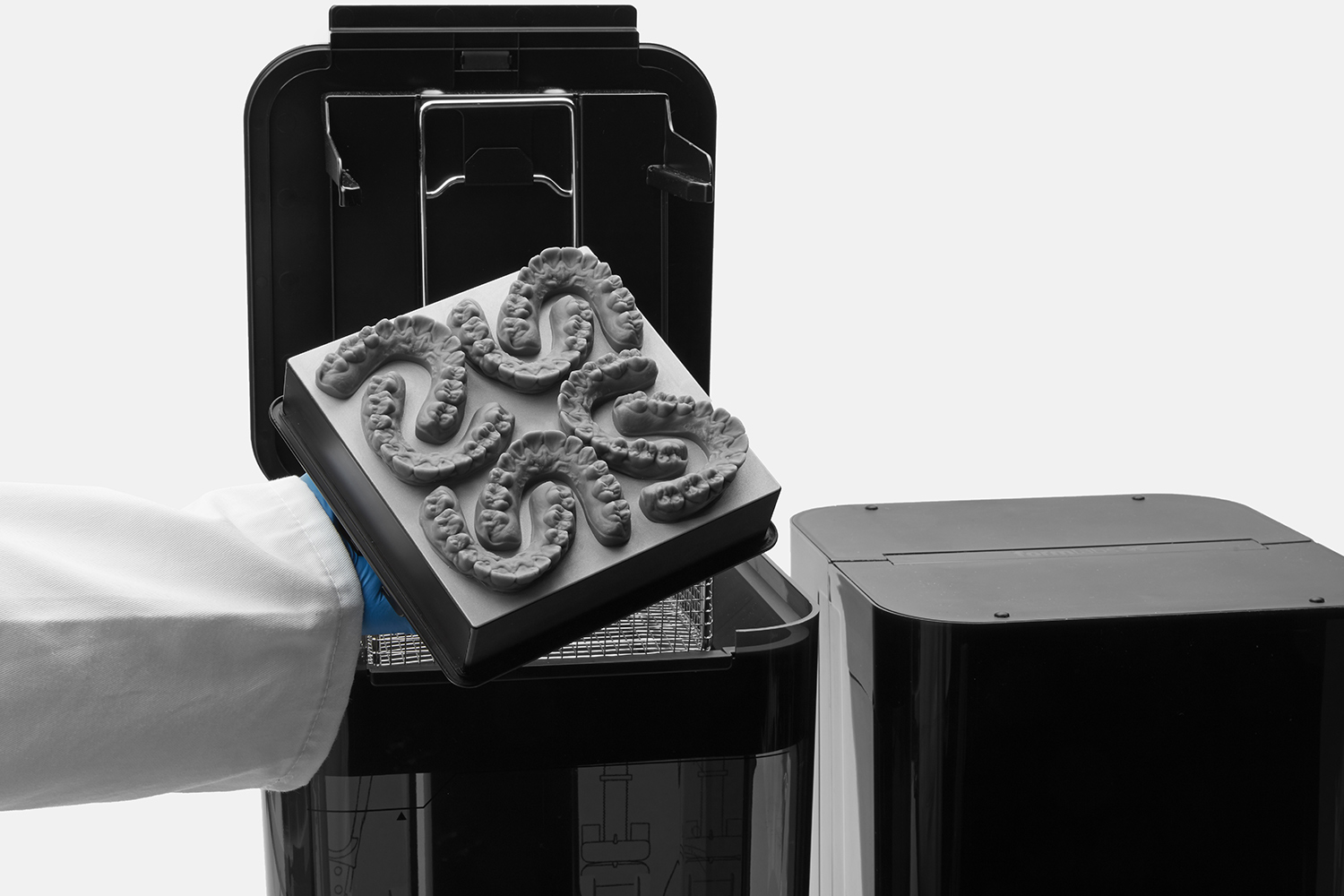
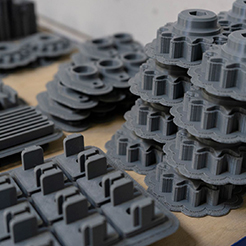
Machines-3D professional buying guide Choosing a professional 3D printer: technologies, materials and decision criteria The right printer is not only a question of price, speed or build volume. A professional 3D printer should be selected according to the real application, material family, expected precision, post-processing, repeatability, workshop safety and support after purchase. The practical method: start from the part you need to make. A visual prototype, a workshop jig, a functional part, a dental model, a nylon batch or a high-temperature application will not require the same process or the same support level. 1. Define the use case before choosing a machine Before comparing brands, clarify the goal: faster prototyping, tooling, functional parts, education, dental workflow or demanding engineering polymers. This first answer will guide the technology, material ecosystem and support level. Prototype and designFocus on speed, material cost, software simplicity and enough visual quality to validate a shape. Workshop toolingFocus on strong materials, repeatability, consumable availability and predictable maintenance. Short production runsFocus on success rate, total cost, stable material profiles and post-processing organisation. Dental and medicalFocus on validated resins, software workflow, washing, curing, traceability and training. Education and fablabsFocus on safety, easy use, enclosed machines, filtration and durability under repeated use. Engineering materialsFocus on nozzle temperature, bed temperature, chamber control, material drying and expert support. 2. Choose the technology: FDM, resin or SLS | Technology | Best for | Strengths | Plan for | | FDM / FFF | Prototypes, functional parts, fixtures, housings, tooling and education. | Controlled material cost, wide filament choice, robust parts, daily use. | Supports, layer direction, thermal management and drying technical filaments. | | Resin SLA / DLP / MSLA | Fine details, dental models, jewellery, aesthetic parts and small precise components. | Smooth surface, fine detail, accuracy and specialised materials. | Washing, UV curing, resin safety, consumables and material compatibility. | | SLS | Functional batches, complex parts, hinges, clips and support-free shapes. | Design freedom, nested builds, nylon PA12/PA11 and strong parts. | Powder handling, cooling, depowdering, workshop space and total cost. | 3. Materials are the real decision filter The material often matters more than the printer. A PLA display model, a PETG bracket, a PA-CF jig, a heat-resistant PC part or a PEEK application do not belong to the same equipment class. | Material need | Possible direction | Example ranges | | PLA, PETG, TPU and everyday prototypes | Fast and reliable FDM, preferably enclosed for regular use. | Bambu Lab, Flashforge | | ABS, ASA, PC, nylon and composites | Professional enclosed FDM, adapted nozzle, stable profiles and material drying. | Raise3D, Flashforge Creator, Bambu Lab X/H depending on need | | PEEK, PEKK, PEI, PPSU and high-performance polymers | High-temperature FDM with controlled chamber. | INTAMSYS FUNMAT | | Dental, castable, engineering or aesthetic resins | Resin printer with validated ecosystem and adapted post-processing. | Formlabs, SprintRay, Asiga, Shining 3D, Uniz, Elegoo depending on application | | PA12, PA11 or TPU for small functional batches | SLS with an organised powder workflow. | Sinterit and SLS solutions depending on volume/project | 4. Read specifications correctly - Speed: high speed only matters if quality, adhesion and repeatability remain stable.
- Build volume: nominal volume is not always realistic for hot materials, complex supports or regular production.
- Resolution: it does not guarantee final accuracy alone. Rigidity, calibration, optics, material profiles and post-processing matter too.
- Temperature: check nozzle, bed and chamber. For engineering materials, chamber control becomes critical.
- Software: slicer, validated profiles, network features, print monitoring and multi-machine management affect real productivity.
- Maintenance: nozzles, filters, build plates, screens, vats, films, powder and wear parts must be available.
Conclusion: the best choice is the one that secures your application For simple, strong and cost-effective parts, modern FDM is often the best starting point. For fine detail, clean surfaces or dental workflows, resin is usually more relevant. For support-free functional batches and complex geometry, SLS is worth evaluating. Machines-3D can help compare technologies, materials, brands and total cost before purchase. See all 3D printers | Read the FDM / resin / SLS comparison | Talk to a Machines-3D expert Frequently asked questions before buying FDM or resin: which technology should I choose?FDM is often best for robust, cost-effective functional parts. Resin is usually better for fine details, clean surfaces, dental work, jewellery and small precise parts. Which 3D printer should a company choose?A company should start from parts, materials, tolerances, production volume, safety constraints, maintenance and support. Enclosed FDM, professional resin, high-temperature FDM or SLS can all be relevant depending on the use case. Which printer is suitable for technical materials such as PC, PA-CF, PEEK or PEKK?Technical materials require a suitable nozzle, heated bed, material drying and often an enclosed or heated chamber. PEEK, PEKK, PEI or PPSU require dedicated high-temperature systems. What is the difference between SLA, DLP and MSLA/LCD?These processes cure photosensitive resin, but the light source and exposure method differ. SLA/LFD, DLP and MSLA/LCD should be compared by accuracy, productivity, build volume, material ecosystem and post-processing. What budget should I plan for a professional 3D printer?The budget should include the machine, materials, accessories, wear parts, post-processing, operator time, training and after-sales support. Purchase price alone does not represent total cost. Why are support and training as important as the machine?Support reduces selection mistakes, downtime, wrong settings and wasted time. In professional use, workflow reliability matters as much as the specification sheet. Useful sources and references This guide combines Machines-3D field experience with recognised technical references for additive manufacturing technologies and selection criteria. |