Resin 3D Printers – High-Precision Additive Manufacturing
What is Resin 3D Printing?
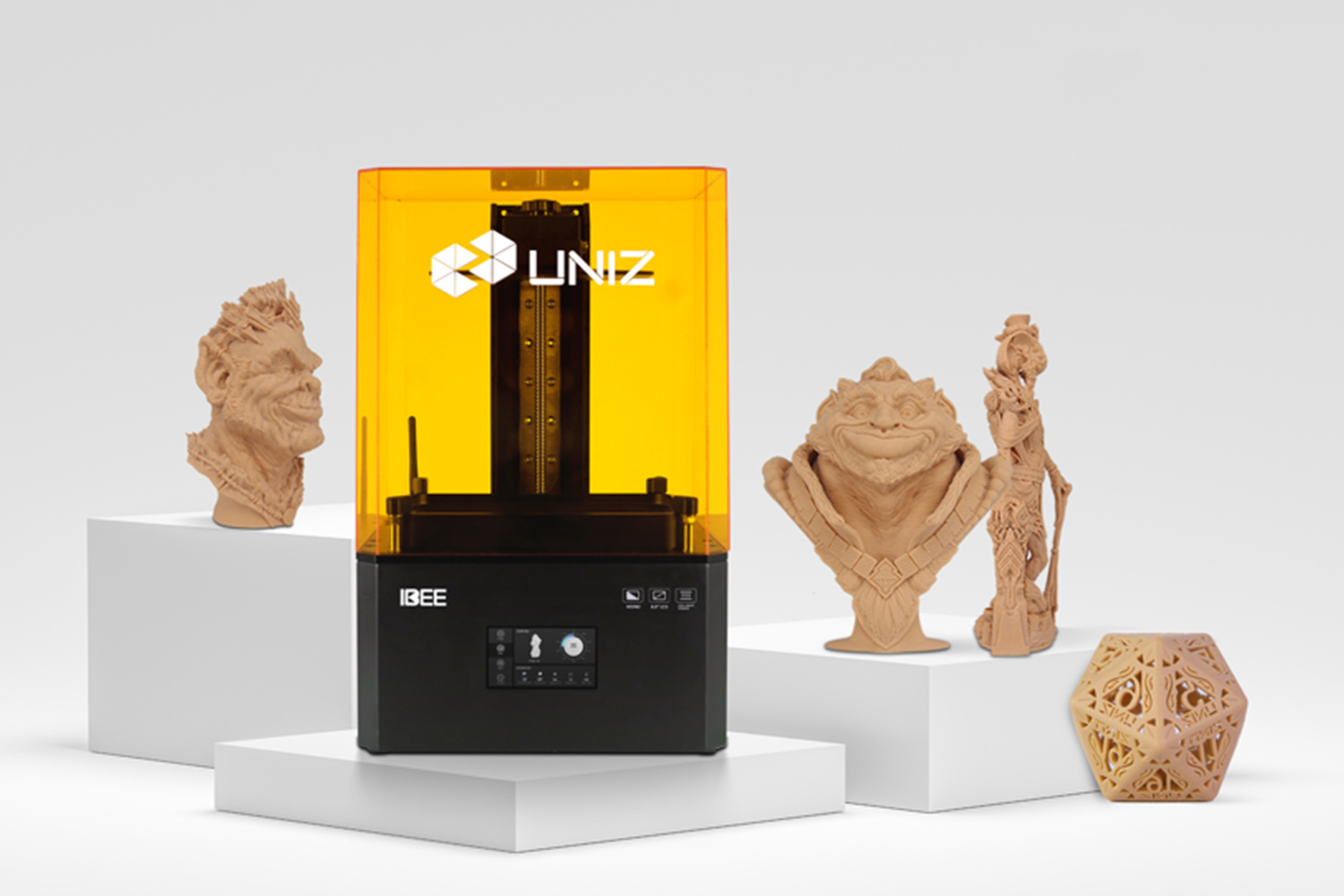
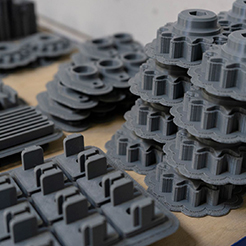
Resin 3D printing is an advanced additive manufacturing process that solidifies photosensitive liquid materials layer by layer to produce highly detailed objects. This method, commonly referred to as VAT photopolymerization, includes SLA (Stereolithography), DLP (Digital Light Processing), and LCD-based technologies.
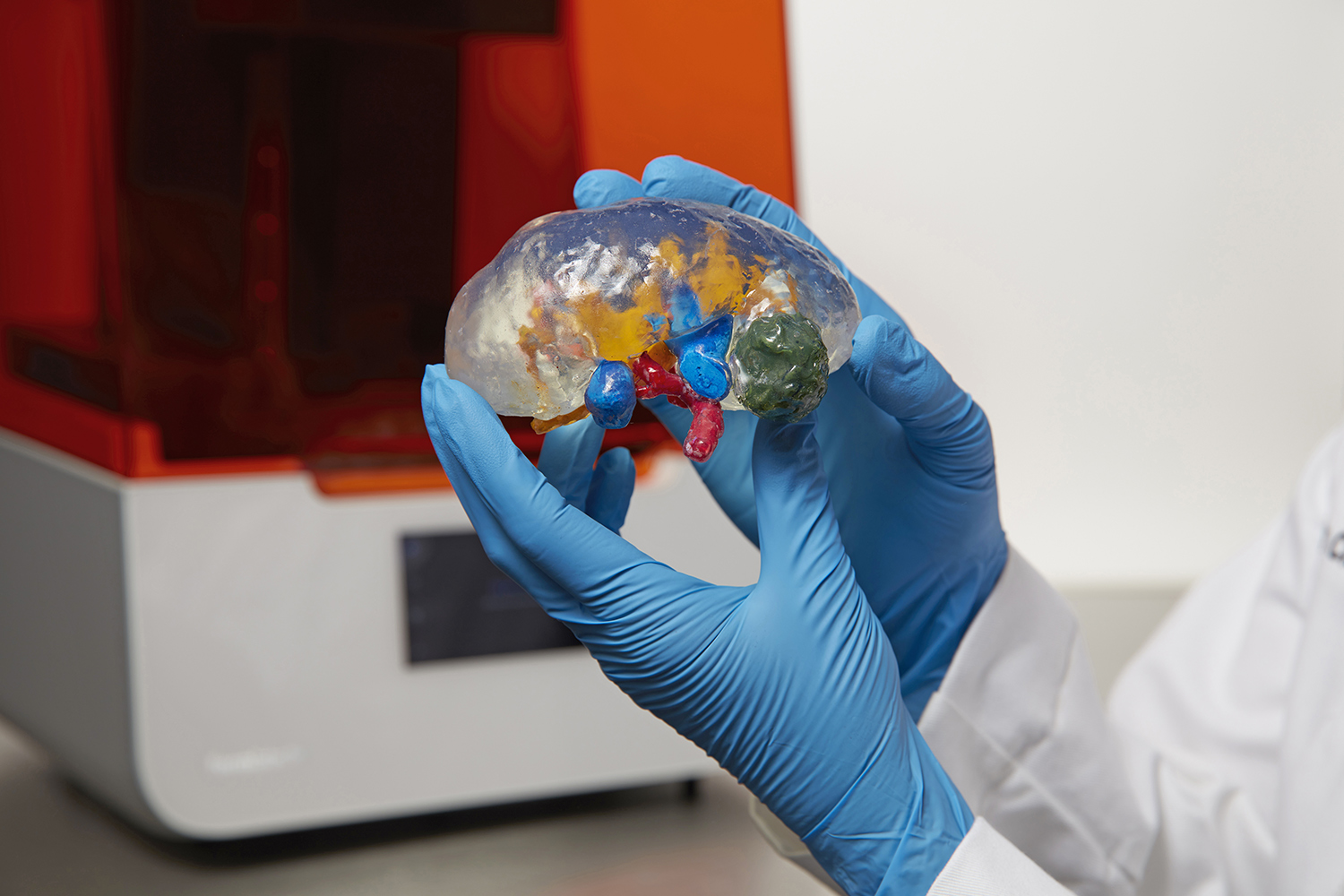
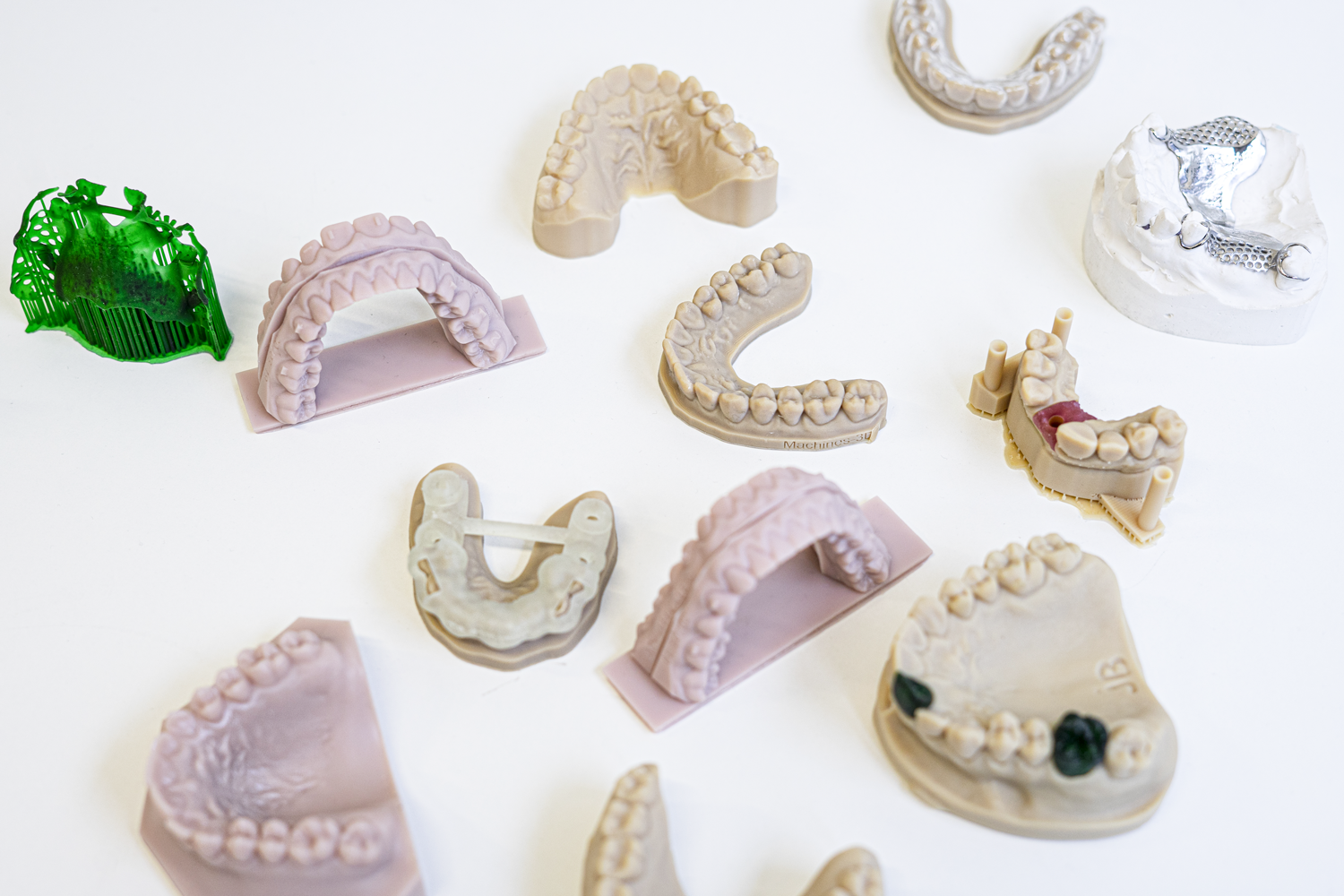
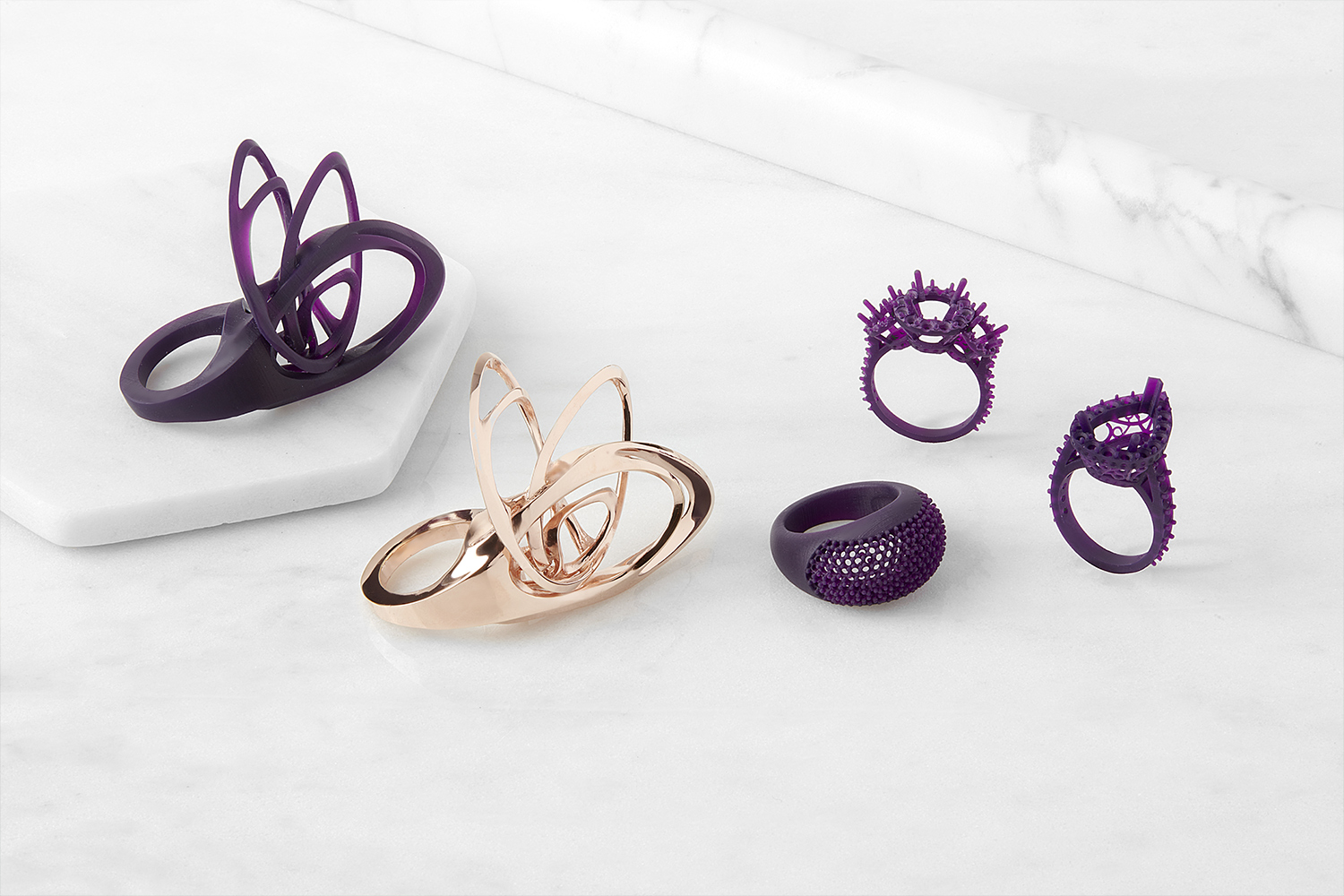
These high-precision printers are widely used in dental, medical, prototyping, and jewelry applications due to their superior accuracy, smooth surface finish, and intricate detailing.
How Resin 3D Printers Work
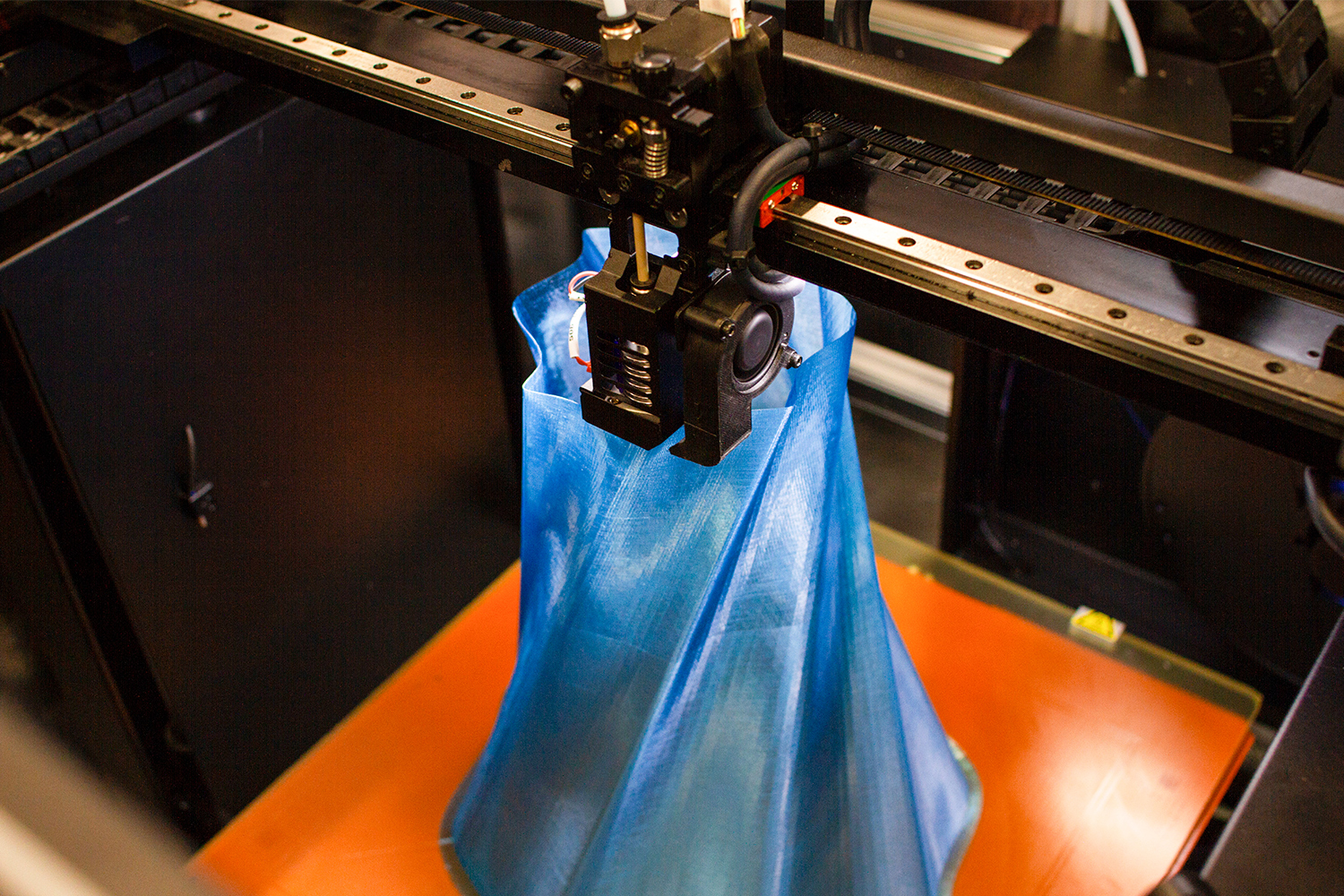
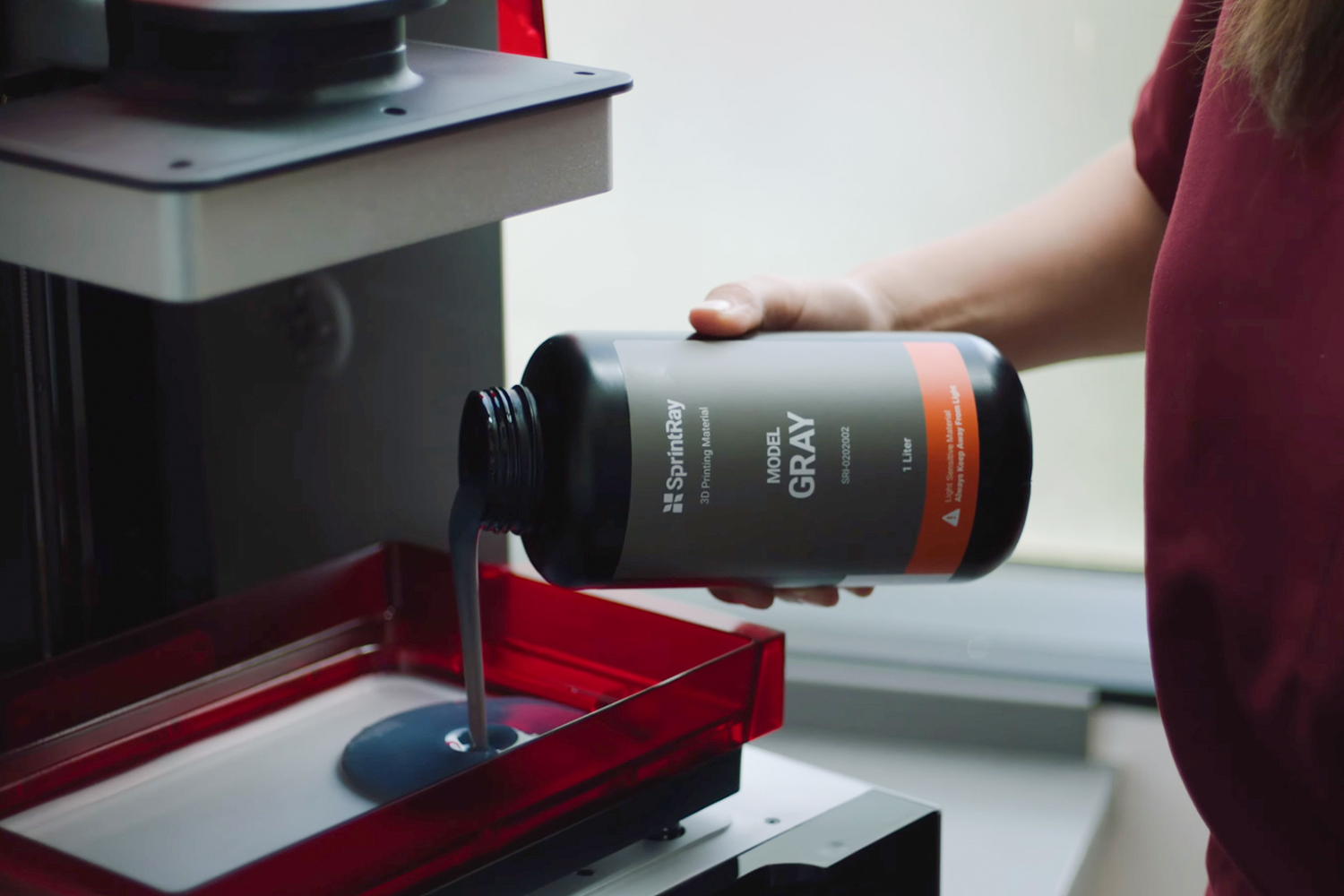
Unlike FDM printers that use filament, resin 3D printers utilize a photopolymer that hardens when exposed to specific wavelengths of light (UV or laser). The object is formed on a build platform submerged in a resin tank, where each layer is precisely cured before the next one is added.
🔹 Light Source Variations:
- SLA (Stereolithography): Uses a laser to selectively cure the resin.
- DLP (Digital Light Processing): Uses a projector to expose an entire layer at once.
- LCD (Masked Stereolithography - MSLA): Uses an LCD screen to block or allow light for layer exposure.
Key Advantages of Resin 3D Printing
✔ High Precision & Fine Details – Ideal for complex models, dental applications, and jewelry making.
✔ Smooth Surface Finish – Reduces post-processing compared to FDM.
✔ Wide Material Compatibility – Supports rigid, flexible, castable, and biocompatible resins.
✔ Fast Printing for Multiple Objects – Each layer is cured simultaneously, optimizing batch production.
Post-Processing in Resin 3D Printing
Resin 3D prints require post-processing to ensure durability and quality:
1️⃣ Cleaning: Parts are washed in isopropyl alcohol (IPA) or other cleaning solutions to remove excess resin.
2️⃣ Curing: Exposing the print to UV light strengthens the structure.
3️⃣ Support Removal & Finishing: Supports are detached, and the print can be polished, painted, or coated for additional durability.
Types of Resins Used in 3D Printing
Different industries require specialized resins to achieve specific properties:
🔹 Standard Resins – Affordable and versatile for prototyping.
🔹 Tough & Durable Resins – High impact resistance, similar to ABS.
🔹 Flexible & Rubber-like Resins – Ideal for wearable prototypes.
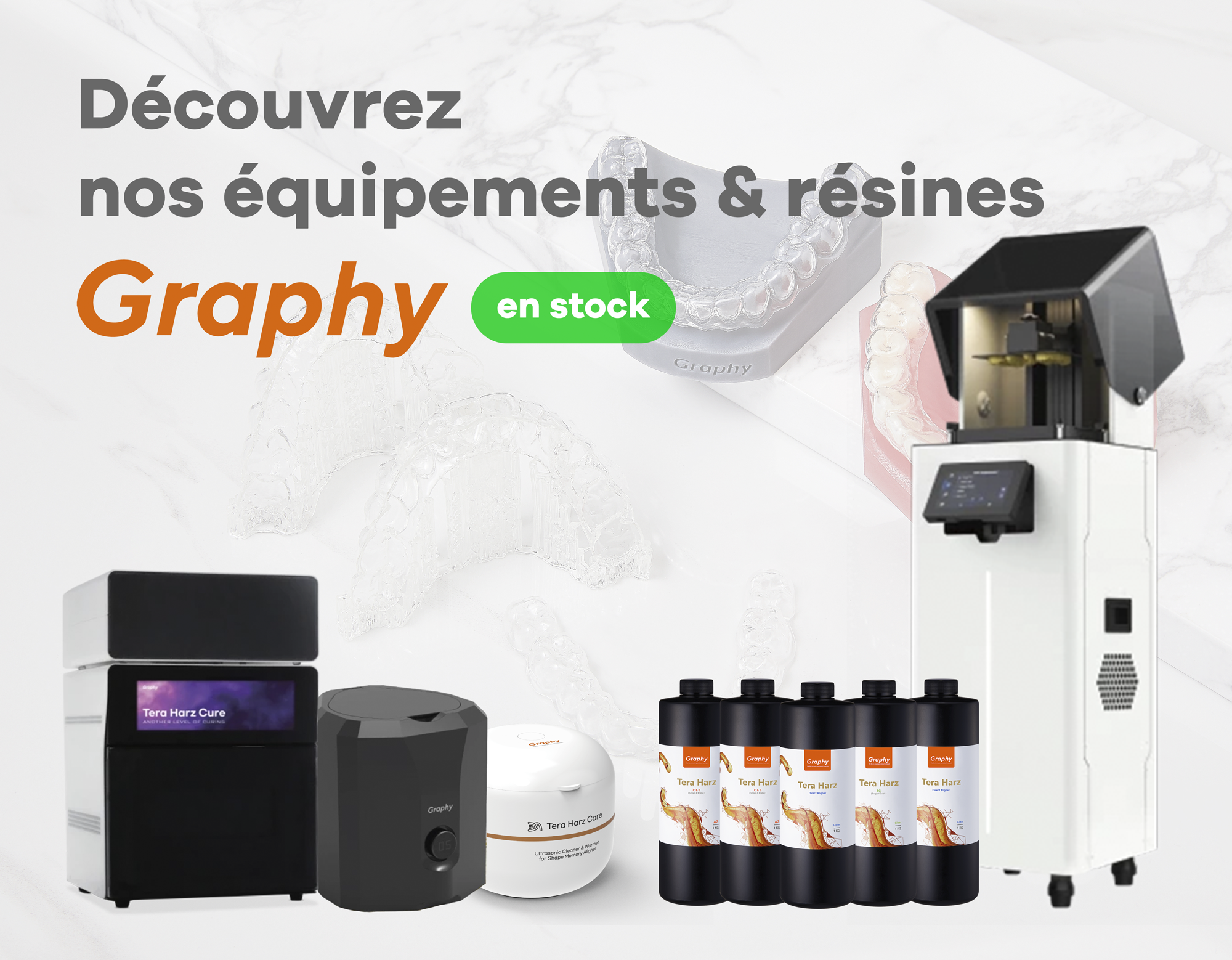
🔹 Dental & Medical Resins – Certified biocompatible resins for crowns, aligners, and surgical guides.
🔹 Castable Resins – Designed for jewelry and metal casting.
🔹 High-Temperature Resins – Withstands extreme heat for engineering applications.
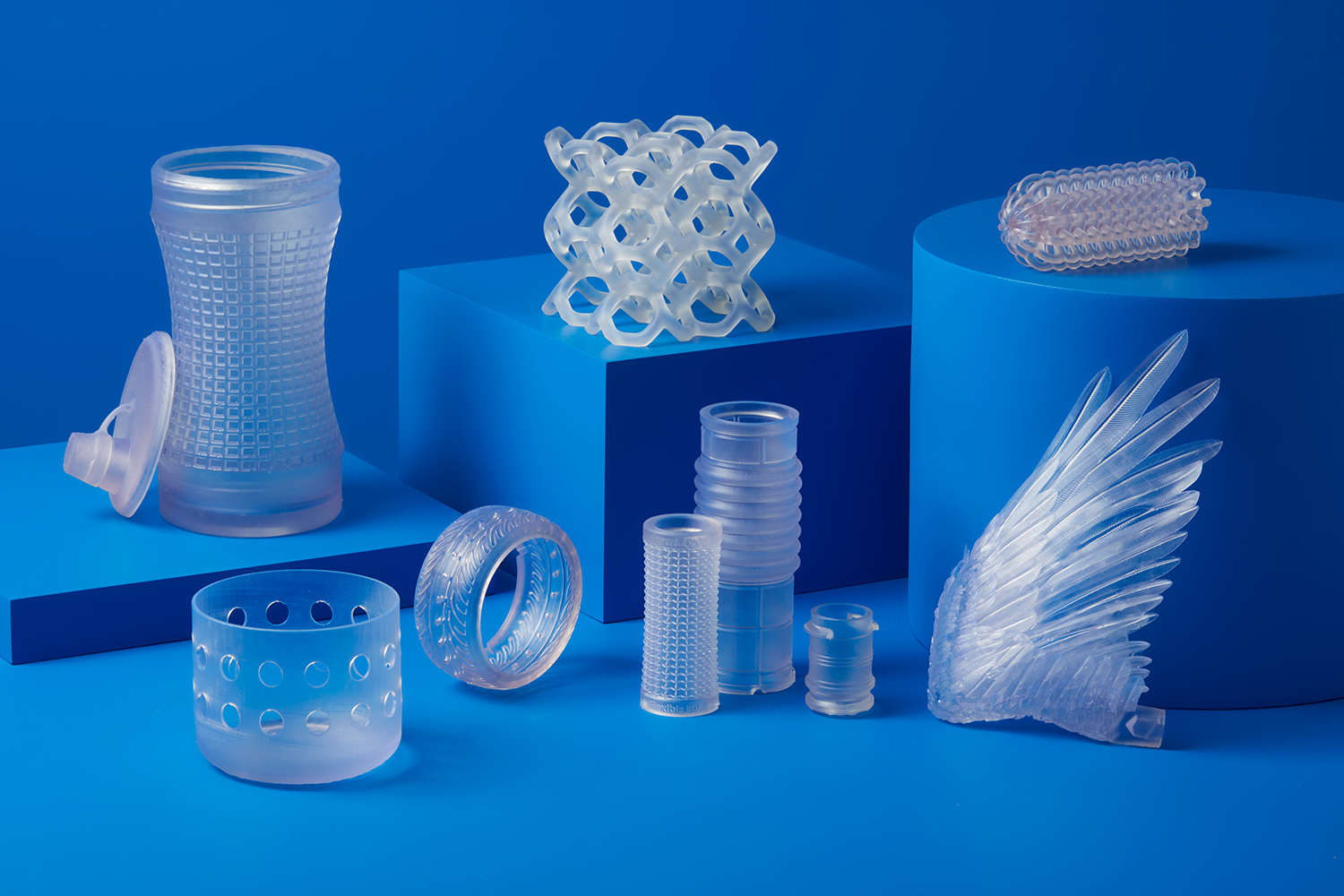
🔹 Transparent Resins – Clear materials for optics and aesthetic designs.
Applications of Resin 3D Printing
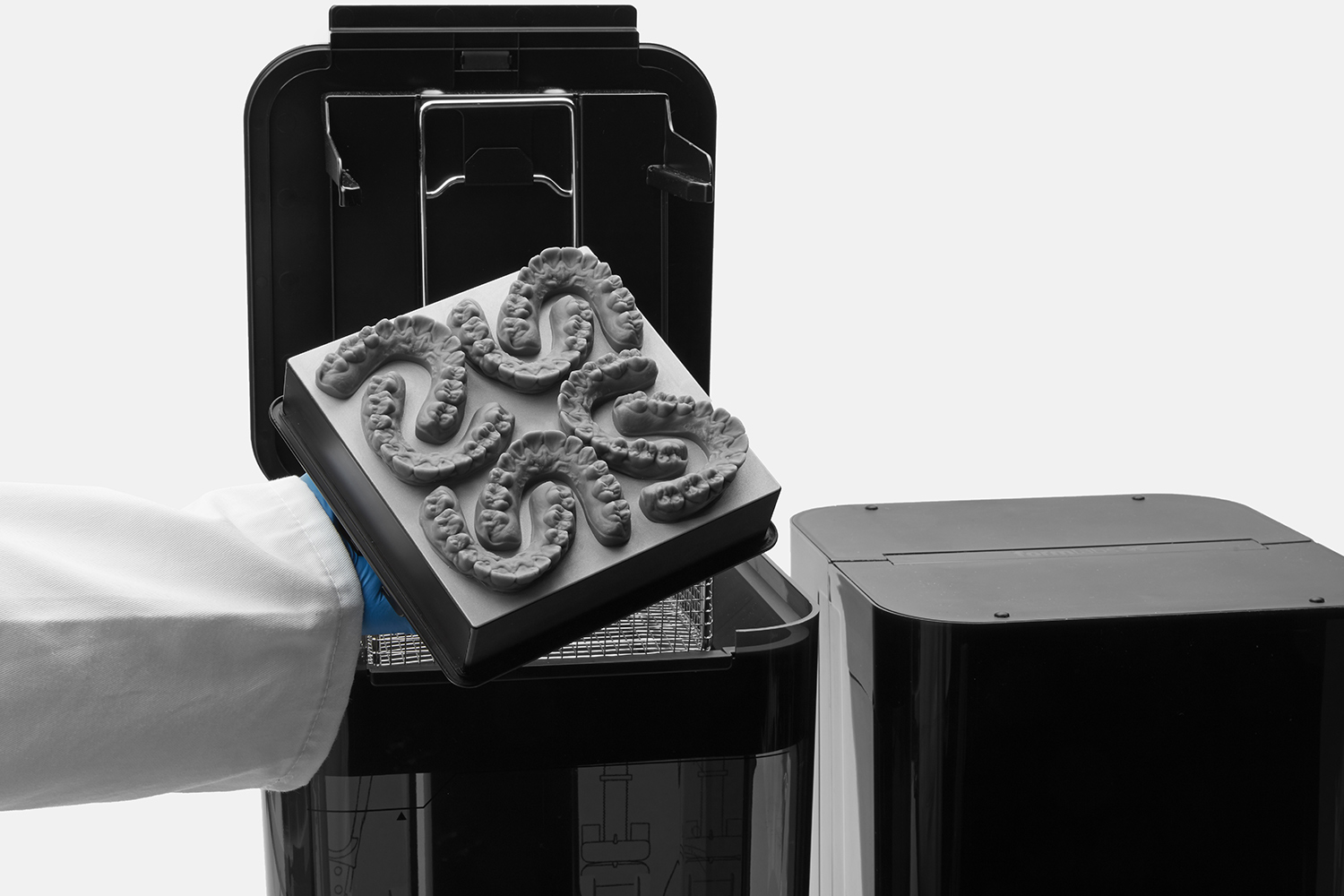
✔ Dental & Medical – Orthodontic models, crowns, surgical guides.
✔ Jewelry & Casting – High-detail molds for investment casting.
✔ Prototyping & Engineering – Rapid functional testing.
✔ Miniatures & Figurines – High-resolution models with intricate features.
✔ Fashion & Art – Custom designs for creative industries.
Challenges & Considerations
While resin 3D printing offers superior detail and quality, it has some limitations:
❌ Post-Processing Required – Cleaning, curing, and support removal are necessary.
❌ Smaller Build Volume – Limited compared to FDM printers.
❌ Resin Handling & Safety – Requires careful usage, gloves, and ventilation.
Conclusion: Why Choose Resin 3D Printing?
Resin 3D printing is a game-changer for industries requiring precision, smooth surface finishes, and intricate designs. Whether you’re in dentistry, jewelry, prototyping, or miniatures, resin printers deliver unmatched quality.
At Machines-3D, we offer a wide range of resin 3D printers and materials from top brands, along with expert guidance to help you choose the best solution for your needs.